
GNWRS–BSPRA Annual Conference
Co-Hosted By
We thank our Big Sky Rail Partners, who support this conference and our activities year round. View Partners →
Why Attend
Save the date for the Greater Northwest Rail Summit, held in conjunction with the Big Sky Passenger Rail Authority's Annual Conference, August 25–27, 2026, in Helena, Montana. This three-day gathering will convene leaders and stakeholders from across the rail industry, government, manufacturing, tourism, and community development sectors for timely discussions on the future of passenger and freight rail in Montana and across the Greater Northwest.
Insights into rail policy, federal funding, and corridor opportunity across the Northwest.
Connect with key decision-makers across 8 states and tribal nations.
Unify our voice for long-distance service expansion and infrastructure investment.
On-the-ground exploration of local infrastructure and potential.
Summit Agenda
Three days of panels, workshops, receptions, and strategic planning sessions across Helena, Montana.
All Attendees
Open to all attendees
Dave Strohmaier · Big Sky North Coast Corridor of Opportunity – Commerce and Mobility
David Strohmaier (Moderator) · Dr. Meg Ann Traci · Kelly Buckland · John Putnam · Christof Spieler · Plenary Session 1
Long-Distance Passenger Rail Service is unique in generating huge benefits by connecting diverse communities and creating multiple trip options—short, medium, and long—across massive landscapes with a high level of public safety, convenience, and environmental compatibility. Thus, it serves a multitude of needs and with vast, positive results for people and communities.
This session will explore a sample of these benefits and some intriguing means of enhancing their impact. Finally, the session will highlight why the Big Sky North Coast Corridor is the most significant transportation project in the United States in the first half of the 21st Century.
Confirmed Speakers: David Strohmaier (Moderator), Dr. Meg Ann Traci, Kelly Buckland, John Putnam, Christof Spieler
Dan Bucks (Moderator) · Sean Jeans-Gail · Rebecca Higgins · Plenary Session 2
The 2021 Bipartisan Infrastructure Law (IIJA) invested an unprecedented $66 billion in guaranteed advance appropriations for rail. As Congress looks to reauthorize spending on surface transportation before the IIJA expires in September, rail is not being prioritized as before.
This session will explore what is in the reauthorization bill, BUILD America 250, and what it might mean for freight and passenger rail investments in the coming years.
Confirmed Speakers: Dan Bucks (Moderator), Sean Jeans-Gail, and Rebecca Higgins
Keynote: John Putnam · All Attendees
All Attendees
Andy Hunthausen and Bruce Agnew
Duane Williams (Moderator) · Michael Giordano · Michael Rutherford · Will Resch · Plenary Session 3
In 2012 the Port of Northern Montana led the formation of the Great Northern Corridor Coalition. With Montana DOT, BNSF Railway, and other public and private sector representatives, this coalition focused on improving the rail infrastructure from Seattle to Chicago in a corridor-wide approach.
This session explores how rail, surface and marine highway corridors play a critical role in connecting local Northwest economies to one another, to the rest of the nation, and to the entire world. The fast and efficient movement of goods and people along key corridors of commerce such as the Great Northern Corridor is what will continue to grow the regional and national economy.
Confirmed Speakers: Duane Williams (Moderator), Michael Giordano, Michael Rutherford, Will Resch
Abe Zumwalt and team · Plenary Session 4
Senator Tim Sheehy with Billings Mayor Mike Nelson
Jake Fey (Moderator) · Steve Balaski · Ted Prince · Patrick Boss · Concurrent Session 5a
The success of a railroad depends, in part, on the efficiency of its terminals. Grain elevators, intermodal yards, and transload facilities all need to load seamlessly, safely and quickly to move goods to the export markets. This panel of terminal operators will discuss the critical role they play in the regional freight rail network and how coordinated investments in rail contribute to the economic success of local communities.
Confirmed Speakers: Jake Fey (Moderator), Steve Balaski, Ted Prince, Patrick Boss
Jacque Lavelle (Moderator) · Rob Eaton · Leann Wagner · David Clark · Meghan Clemens · Concurrent Session 5b
Tourism can be a major economic driver for cities and rural towns in the Mountain West and across the nation. But welcoming vehicle-based tourists to your local attractions can result in congestion, roadway wear and tear, and environmental disturbances. How can we move more people by rail into and through our national parks, cultural and natural destinations, and communities in a way that mitigates impacts and enhances the visitor experience? This panel will explore the opportunities to encourage tourism by rail across the Greater Northwest and beyond.
Confirmed Speakers: Jacque Lavelle (Moderator), Rob Eaton, Leann Wagner, David Clark, Meghan Clemens
Susan Gallagher (Moderator) · Alan Westenskow · Josh Hartford · Concurrent Session 6a
Historic investment in rail is creating new opportunities, but long-term success depends on developing the workforce to plan, build, operate, and maintain the nation's rail system. This session brings together labor and industry leaders to discuss current workforce needs, career pathways, and strategies to grow the next generation of rail professionals.
The discussion will also highlight the ongoing CRISI-funded National Rail Workforce Development Initiative and its work to identify workforce gaps and develop education and training solutions to meet the industry's future needs.
Confirmed Speakers: Susan Gallagher (Moderator), Alan Westenskow, Josh Hartford
Jordan Hess (Moderator) · Art Guzzetti · Jennifer Sellers · Jeremy Butzlaff · MT Rep. Denise Baum · Luella Brien · Concurrent Session 6b
Restoring passenger rail service to rural towns in the West only accomplishes half the goal. We also need to solve the first/last-mile problem — how does someone from Lavina, MT get to the nearest train station to visit their grandmother? This session will dive into the role of public transit, intercity bus, car-share, ride-share and any other form of connecting service that can bring long distance passenger rail service to your front door.
Confirmed Speakers: Jordan Hess (Moderator), Art Guzzetti, Jennifer Sellers, Jeremy Butzlaff, MT Rep. Denise Baum, Luella Brien
Elaine Clegg (Introduction) · Karen Hedlund · Jennifer Sellers · Lisa Stern · Leann Wagner · Jason Beloso · Matt Bailey · Plenary Session 7
Beyond the long-distance routes, passenger rail is active across the region. We'll hear the latest from the Washington and Oregon DOTs (Amtrak Cascades service) and from the Wisconsin and Minnesota DOTs (Borealis℠), as well as updates on Alberta's recently released 30-year passenger rail plan to connect the major population centers in the province.
Presenters: Elaine Clegg (Introduction), Karen Hedlund, Jennifer Sellers, Lisa Stern, Leann Wagner, Jason Beloso, Matt Bailey
Day 2 Sessions Conclude
Keynote: Scott Rogers (Chippewa-St. Croix Rail Commission) · All Registrants
All Registrants
All Registrants
Karen Hedlund
MT Rep. Denise Baum (Moderator) · Ross Lane · Chase Kitchen · Bre Brush · Kim Riepl · Alan Adolf · Plenary Session 8
Railroads don't stop at state borders. Strategic investment in our rail network requires a regional perspective. This panel represents a cross-section of rail interests that span the region. Together they'll discuss how we can move together towards a more connected, more efficient and safer regional rail network.
Confirmed Speakers: MT Rep. Denise Baum (Moderator), Ross Lane, Chase Kitchen, Bre Brush, Kim Riepl, Alan Adolf
Jake Fey (Moderator) · French Thompson · Katie Novak · Elaine Clegg · Plenary Session 9
Most railroads are privately owned but still serve a public interest. Investing in rail-highway grade separations, safety enhancements, and increased track capacity are natural opportunities for collaborative investment, bringing together private industry with local, state and federal governments to build the future rail network. During this fireside chat, leaders from major railroads will share their perspectives on partnering with the public sector to maintain, enhance and expand critical rail infrastructure.
Confirmed Speakers: Jake Fey (Moderator), French Thompson, Katie Novak, Elaine Clegg
All Attendees
Featured Speakers
Meet the voices leading this year's conversation
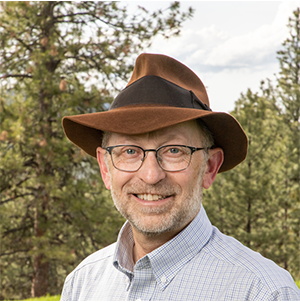
David Strohmaier
Chair, BSPRA
The Big Sky North Coast Corridor of Opportunity: Its Transformative Impact on People and Communities

Senator Tim Sheehy
U.S. Congress
Wednesday Lunch Keynote
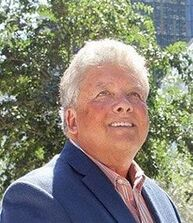
Bruce Agnew
RIA Director, PNWER
Wednesday Welcome
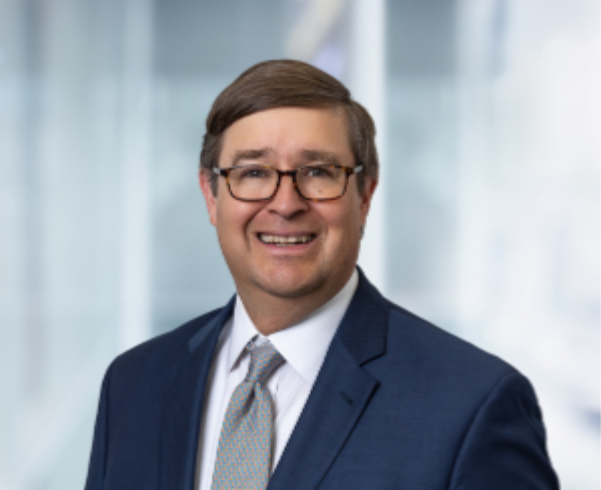
John Putnam
Chair, Front Range Passenger Rail District
The Big Sky North Coast Corridor of Opportunity: Its Transformative Impact on People and Communities
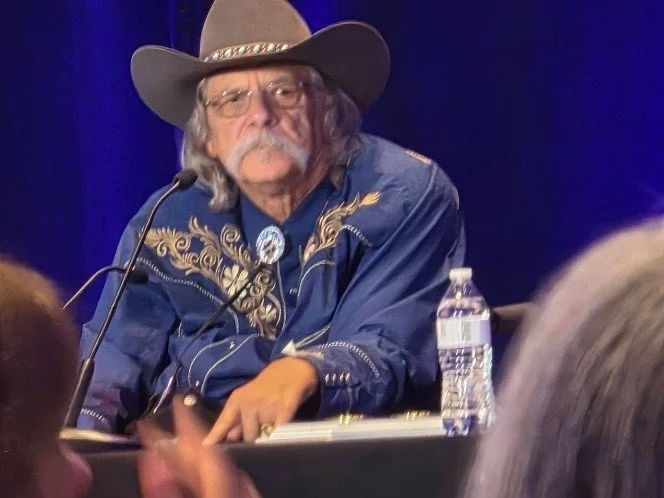
Kelly Buckland
Former Disability Policy Advisor, USDOT
The Big Sky North Coast Corridor of Opportunity: Its Transformative Impact on People and Communities
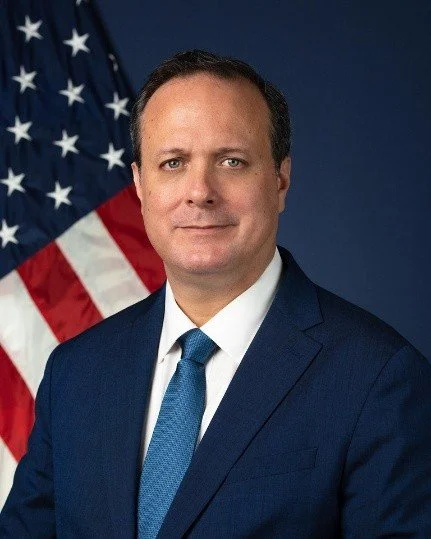
Michael Rutherford
USDOT Office of Multimodal Freight
America's Great Corridors of Commerce: Moving People and Products across the Nation
Michael Giordano
Special Advisor for Policy, USDOT OST
America's Great Corridors of Commerce: Moving People and Products across the Nation
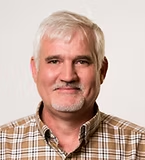
Duane Williams
MT Trucking Association
America's Great Corridors of Commerce: Moving People and Products across the Nation
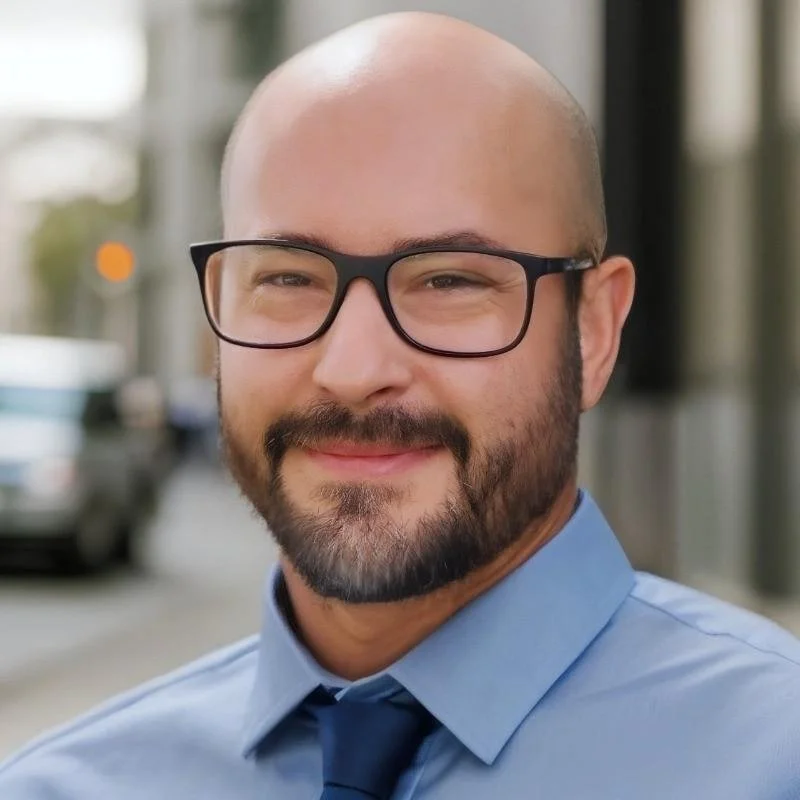
Will Resch
Head of Project Development (Acting), USDOT Build America Bureau
America's Great Corridors of Commerce: Moving People and Products across the Nation
Jason Beloso
Strategic Planning Manager, WSDOT - Rail, Ports & Freight Division
Passenger Rail Updates from Across the Region
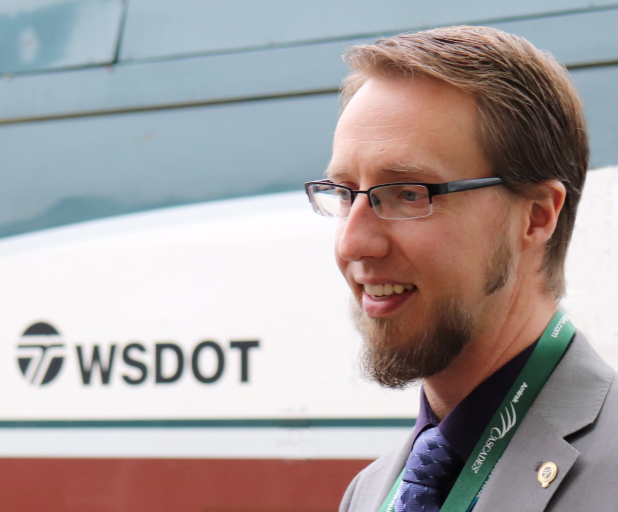
Jason Biggs
Director, Rail, Ports & Freight Division / WSDOT
Passenger Rail Updates from Across the Region
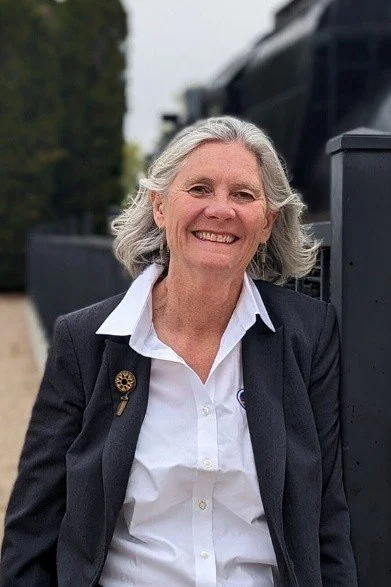
Elaine Clegg
Amtrak Board
Passenger Rail Updates from Across the Region
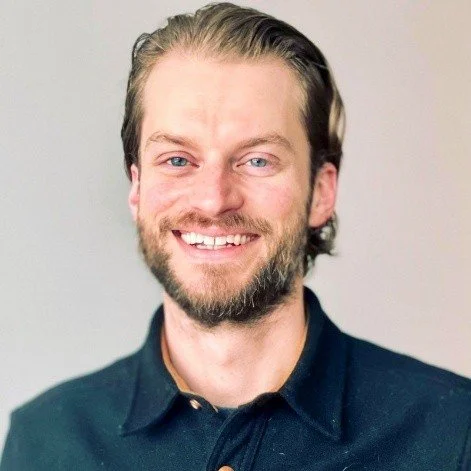
Chase Kitchen
Manager, Government Affairs / Amtrak
Regional Rail Collaboration: Coordinated Action to Advance the Rail Movement
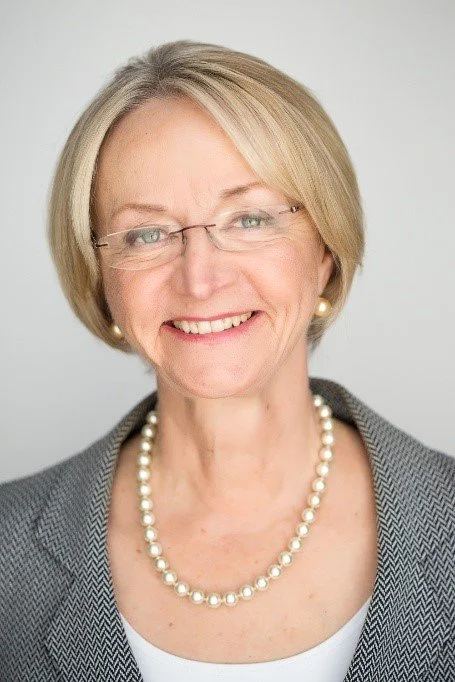
Karen Hedlund
Surface Transportation Board
Passenger Rail Updates from Across the Region

Rob Eaton
Senior Director, State, Local & Community Affairs, Amtrak
Connecting to Rail Service: Expanding Car-free Tourism Options
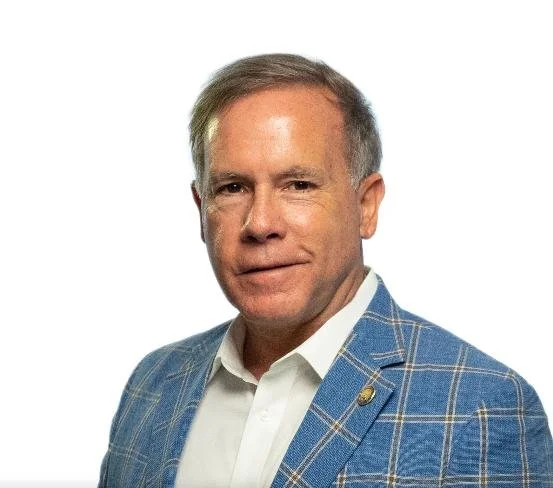
David Clark
President & CEO, Visit Mobile
Connecting to Rail Service: Expanding Car-free Tourism Options
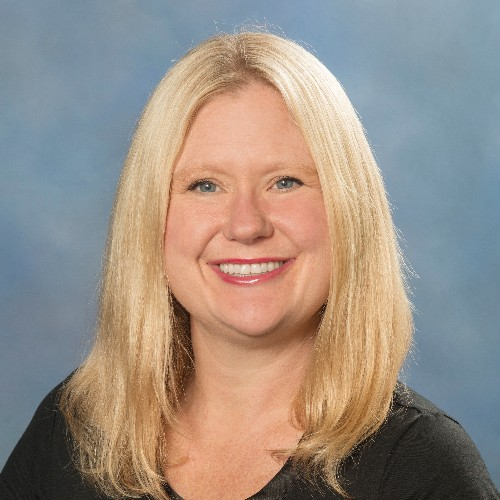
Jennifer Sellers
Multimodal and Rail Services Manager, Oregon DOT
Connecting to Rail Service: Last-Mile Transit Connections for Rural Communities · Passenger Rail Updates from Across the Region
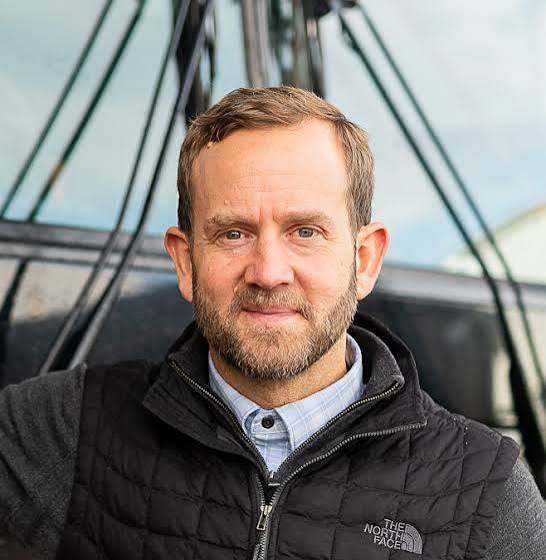
Jeremy Butzlaff
CEO, MTR Western
Connecting to Rail Service: Last-Mile Transit Connections for Rural Communities
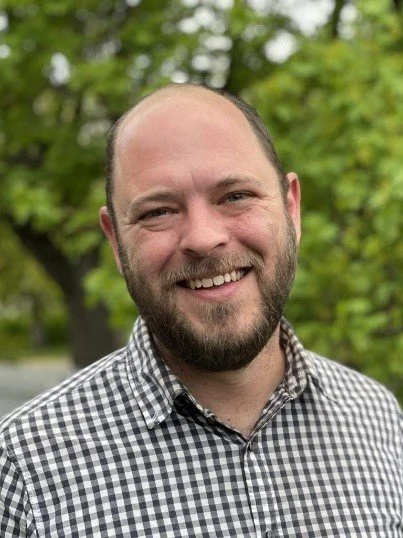
Jordan Hess
Mountain Line
Connecting to Rail Service: Last-Mile Transit Connections for Rural Communities
Lisa Stern
WisDOT
Passenger Rail Updates from Across the Region
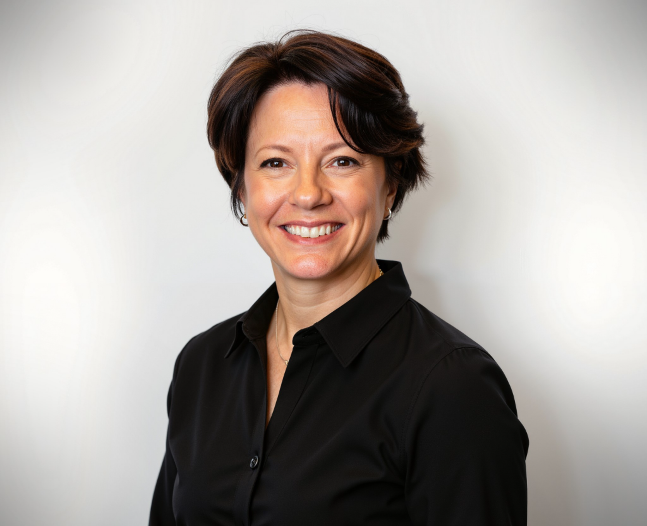
Leann Wagner
Chief Operating Officer for Transportation and Economic Corridors & Assistant Deputy Minister, Government of Alberta
Passenger Rail Updates from Across the Region
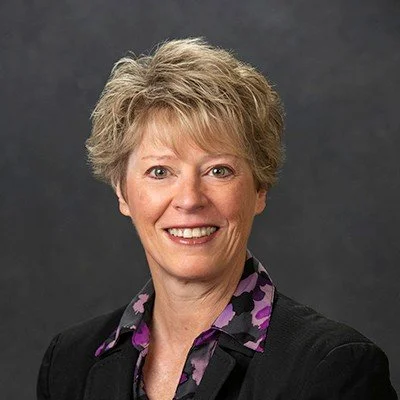
Rep. Denise Baum
Montana Legislature
Regional Rail Collaboration: Coordinated Action to Advance the Rail Movement
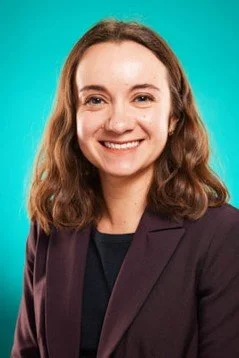
Bre Brush
Sr. Policy Advisor, City of Boise
Regional Rail Collaboration: Coordinated Action to Advance the Rail Movement
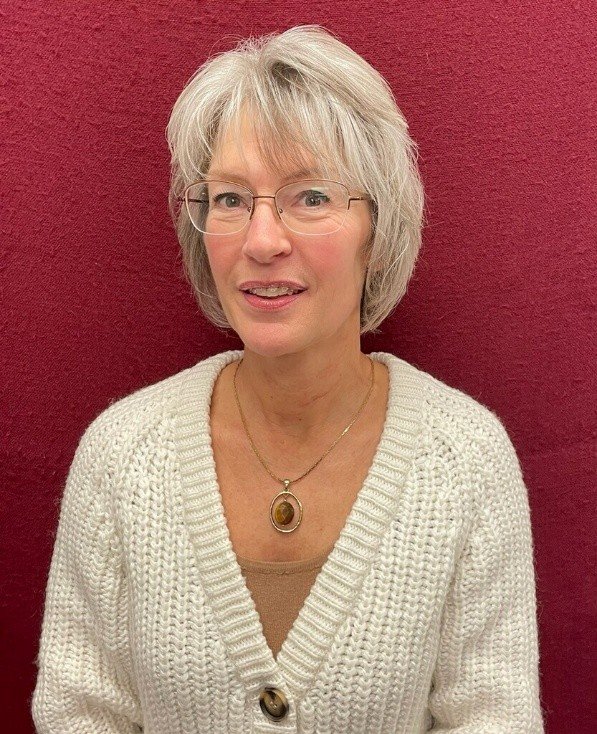
Kim Riepl
Executive Director, Bismarck-Mandan MPO
Regional Rail Collaboration: Coordinated Action to Advance the Rail Movement

Dr. Meg Ann Traci
University of Montana Rural Institute for Inclusive Communities
The Big Sky North Coast Corridor of Opportunity: Its Transformative Impact on People and Communities
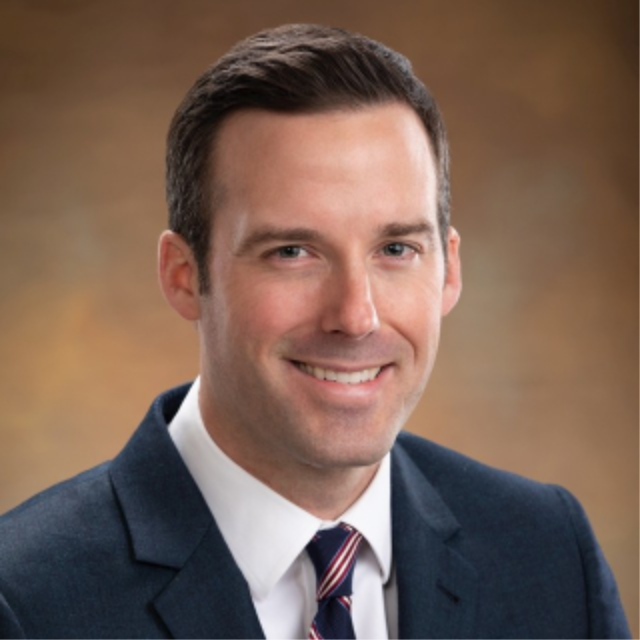
Ross Lane
Vice President of Gov’t Affairs, Genesee & Wyoming
Regional Rail Collaboration: Coordinated Action to Advance the Rail Movement
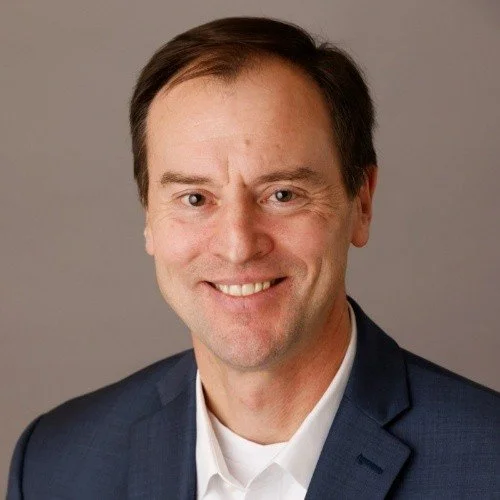
Steve Balaski
Director, Business Development, Northwest Seaport Alliance
Driving More Business to the Rails: Investing in Frictionless Rail Terminals across the Greater Northwest
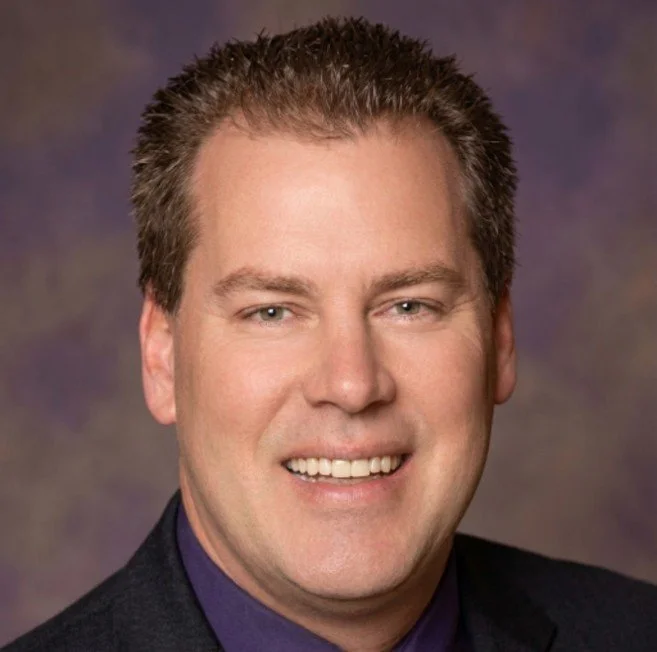
Patrick Boss
Director of Public Affairs & Business Development, Port of Quincy
Driving More Business to the Rails: Investing in Frictionless Rail Terminals across the Greater Northwest
Josh Hartford
IAM
More Jobs in More Places: Rail Workforce Needs and Investment in the 21st Century
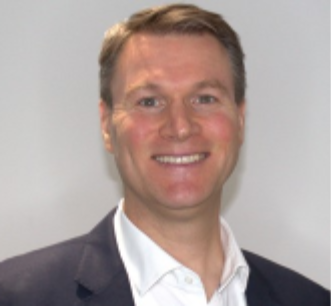
Alan Westenskow
Deputy Head of Sales & Business Development, North America / Stadler
More Jobs in More Places: Rail Workforce Needs and Investment in the 21st Century
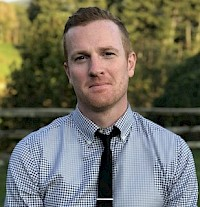
Sean Jeans-Gail
Rail Passengers Association
BUILD America 250: Federal Funding Coming Down the Line
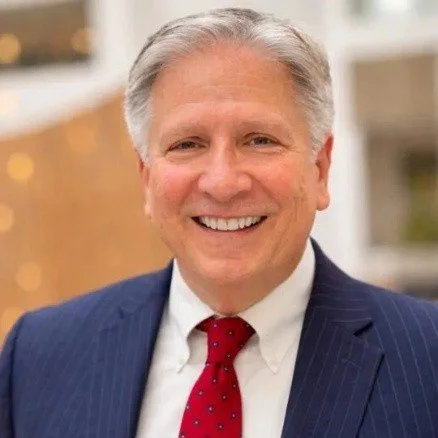
Art Guzzetti
Vice President-Policy, APTA
Connecting to Rail Service: Last-Mile Transit Connections for Rural Communities
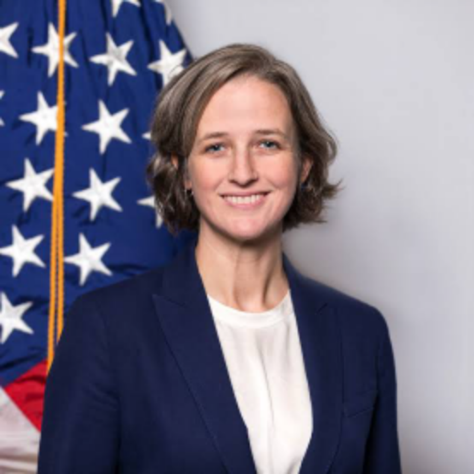
Rebecca Higgins
Vice President of Policy / Eno Center for Transportation
BUILD America 250: Federal Funding Coming Down the Line
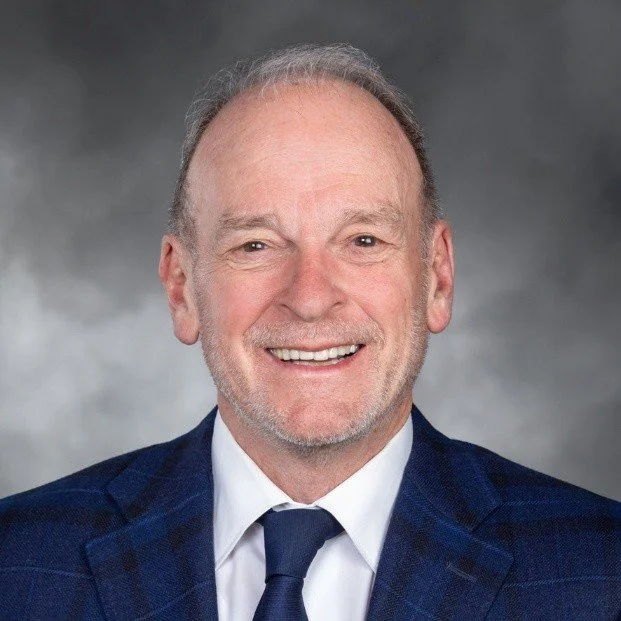
Rep. Jake Fey
Washington Legislature
Driving More Business to the Rails: Investing in Frictionless Rail Terminals across the Greater Northwest
Ted Prince
Tri Cities Intermodal
Driving More Business to the Rails: Investing in Frictionless Rail Terminals across the Greater Northwest
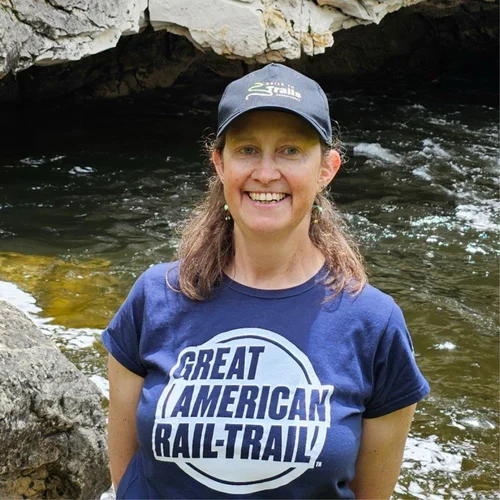
Jacque Lavelle
Western Project Manager / Rails to Trails Conservancy
Driving More Business to the Rails: Investing in Frictionless Rail Terminals across the Greater Northwest
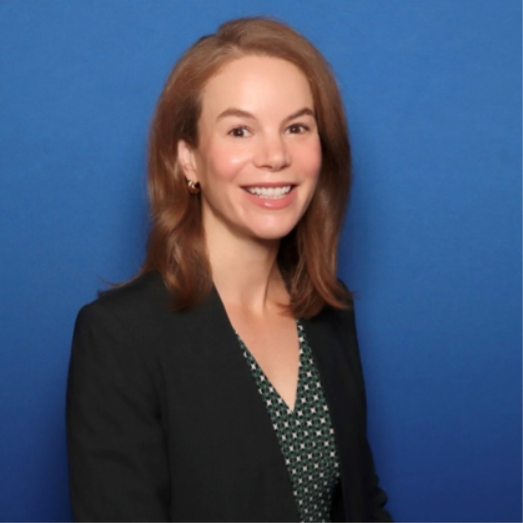
Meghan Clemens
External Affairs Director, Alaska Railroad Corporation
Driving More Business to the Rails: Investing in Frictionless Rail Terminals across the Greater Northwest
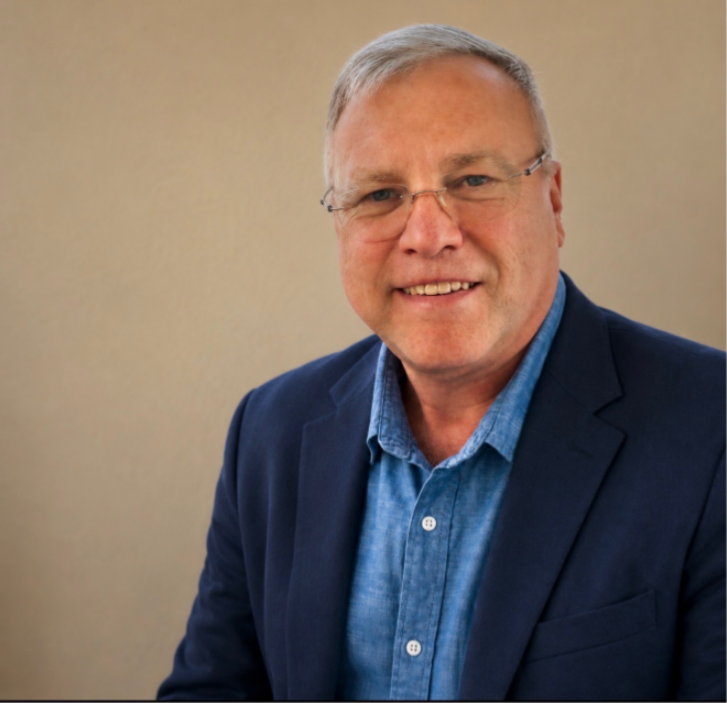
Alan Adolf
Regional Transportation Manager / Yakima Valley Conference of Governments
Regional Rail Collaboration: Coordinated Action to Advance the Rail Movement
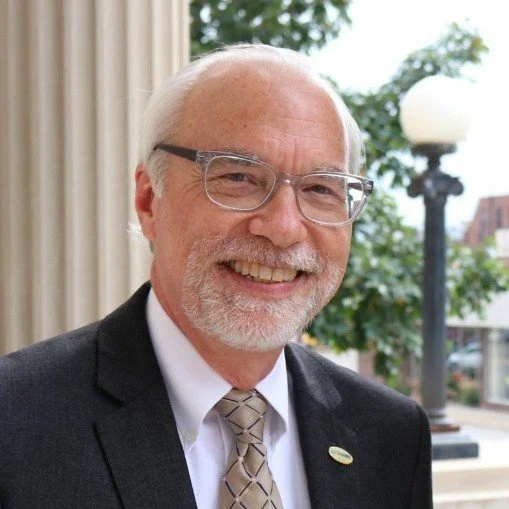
Scott Rogers
Chippewa-St. Croix Rail Commission
Banquet Keynote Speaker
Registration Options
Choose the registration type that best fits your participation.
Registration is processed through our secure external portal.
Hotel Reservation Information
Preferred lodging options for conference attendees
Please mention the Big Sky Passenger Rail Annual Meeting when calling to reserve.
Travel & Airport Information
Planning your trip to Helena for the Greater Northwest Rail Summit? Here are the most convenient airport options and travel details to help make your journey smooth.
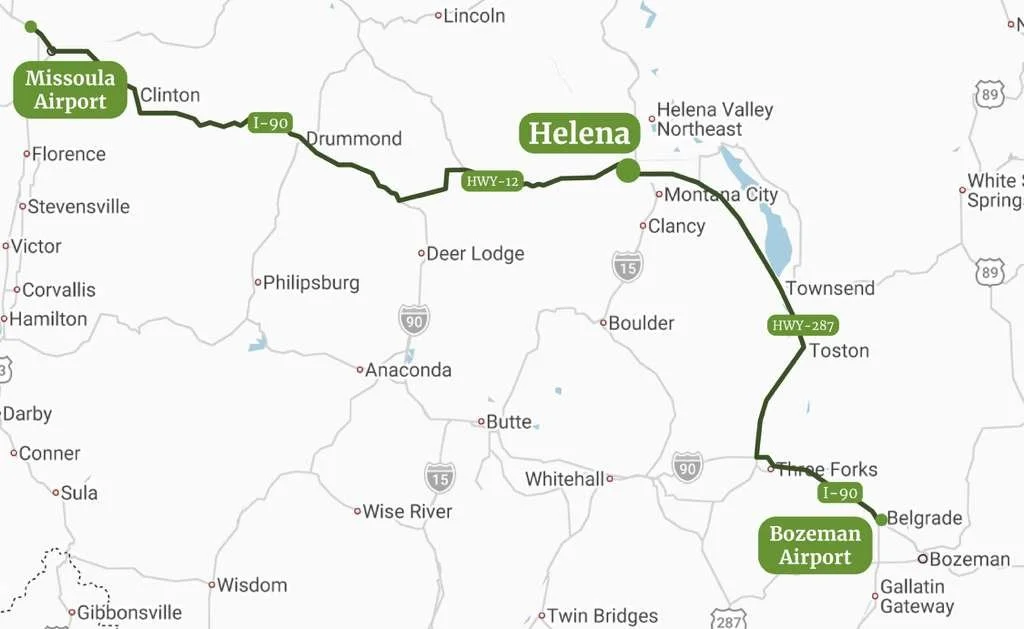
Flying Into Helena Regional Airport (HLN)
Helena Regional Airport (HLN) is a public airport in Lewis and Clark County, Montana, serving the state capital and surrounding areas, with commercial service to hubs like Denver, Salt Lake City, and Seattle.
Flying Into Bozeman Yellowstone International Airport (BZN)
Helena is approximately 95 miles northwest of Bozeman Yellowstone International Airport, with a drive time of about 1 hour and 45 minutes via I-90 West to US-287 North and I-15 North.
Flying Into Missoula Montana Airport (MSO)
Helena is approximately 115 miles southeast of Missoula Montana Airport, with a drive time of about 2 hours via I-90 East and I-15 South.
Flying Into Billings Logan International Airport (BIL)
Helena is approximately 240 miles northwest of Billings. Taking I-90 to just past Three Forks and then heading north on US-287, the trip will take about 3.5 hours driving.
Flying Into Great Falls International Airport (GTF)
Helena is approximately 90 miles south of Great Falls. Using I-15, your trip should take approximately 1 hour 15 minutes.
Quick Travel Tip
Rental cars are available at both airports. Bozeman typically offers the shortest drive, while Missoula may be more convenient depending on flights and pricing.
Helena Visitor Information
Welcome to Helena! Whether you are looking for exceptional local dining, craft microbreweries, or iconic cultural landmarks, explore our curated list of recommendations.
Restaurants
Breweries & Distilleries
2027 Business & Organization Partnerships
We are grateful for the organizations whose support makes this summit possible

Questions?
Free parking is available in nearby lots or on the street wherever spaces are available and not marked as reserved.
Accessible parking is available in:
- North lot (near the prominent building overhang)
- East lot (near the Sovereign Nations Arbor)
Street parking is also available near the west entrance.
Press & Media
Official press releases and coverage for the 2026 Greater Northwest Rail Summit in Helena, Montana.
Press Release
Big Sky Passenger Rail Authority and PNWER to Host 2026 Greater Northwest Rail Summit in Helena
Transportation, business and government leaders gather in Helena to discuss passenger rail, freight, economic development and regional connectivity.
Read Full Press ReleasePress Release
Connecting the Greater Northwest: Senator Sheehy, Federal Transportation Officials Join 2026 Rail Summit in Helena
U.S. Senator, federal transportation officials, national rail organizations and Tribal Nations gather in Helena for the 2026 Greater Northwest Rail Summit.
Read Full Press ReleaseGet in Touch
Have questions about registration, speaking opportunities, or media access? Our team is here to help
Big Sky Passenger Rail Authority
100 N 27th St, Suite 600 D
Billings, MT 59101